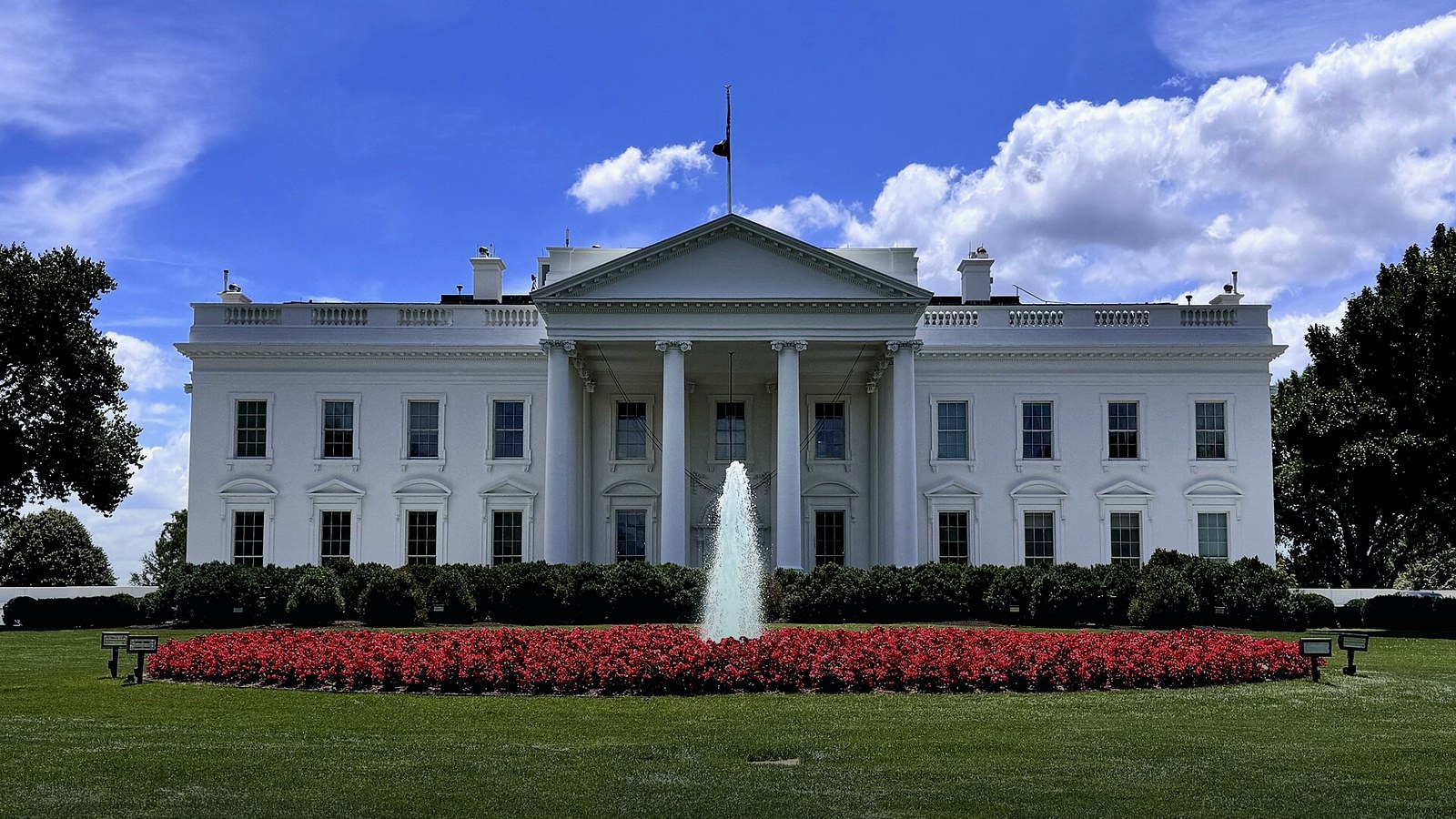
President Donald Trump has set up a "Super Intelligence Force", a new federal task force to run US artificial intelligence policy, led by Director of National Intelligence Jay Clayton. He announced it in a social media post on Sunday 4 October 2026 (US time). It comes days after a 29 September executive order that told federal agencies to stop saying "artificial intelligence" and use "Super Intelligence" (SI) instead. Here is what the Super Intelligence Force is, who sits on it, what it is meant to do, and the questions it leaves open.
What is the Super Intelligence Force?
According to Trump's post, reported by the BBC, the task force will work to keep the US in the lead on AI development and will coordinate how the federal government deals with the public on the technology. In his words, it will "coordinate the Federal Government's engagement with Consumers, Public Interest Groups, Religious Organizations, Critical Infrastructure Providers, and Super Intelligence Companies." It reports directly to the president and White House Chief of Staff Susie Wiles.
CNBC reported on 3 October that Trump was tapping Clayton as AI czar, a day before the formal announcement. Fortune and the Boston Globe described the body as a new federal AI task force rather than a standalone regulator.
Who is on the Super Intelligence Force?
Jay Clayton (chair) — Director of National Intelligence since August 2026, after the Senate rejected Trump's original pick, Bill Pulte. Clayton was previously US attorney for the Southern District of New York and, before that, chair of the Securities and Exchange Commission.
Andrew Ferguson — Chair of the Federal Trade Commission
Emil Michael — Under Secretary of Defense for Research and Engineering
Scott Kupor — Director of the Office of Personnel Management
Clayton has summed up his approach to AI like this: "When something's both an opportunity and a threat, you better get your arms around it."
Why did Trump rename AI "Super Intelligence"?
The 29 September executive order tells US departments and agencies to use "SI" and "Super Intelligence" in official correspondence, websites and reports, and to stop using "artificial intelligence". Trump had earlier said the word "artificial" made the technology sound "fake". Some experts quoted by the BBC warn the rebrand could confuse people, because "superintelligence" already means something specific in AI research: hypothetical systems far beyond human ability. Elon Musk went along with it quickly, saying on Sunday that he would rename his company's AI platform from SpaceXAI to SpaceXSI.
How does this fit with the AI safety pact?
Also on 29 September, executives from OpenAI, Anthropic, SpaceX and Google signed what Trump called a "morally binding" pact, and he said last week he would set up a board to oversee AI safety. Critics point out that the administration has mostly let AI companies regulate themselves and has rejected calls for stronger oversight. The task force arrives as pressure for rules is growing inside the industry too. In an interview published on 4 October, OpenAI chief executive Sam Altman told Politico that "the world should accept some bad things happening for the benefits of this technology." On the safety-culture side, see our live coverage at thesundayprofile.com/openai-safety-lead-quits-broken-culture.
People also ask: does the Super Intelligence Force regulate AI companies?
Not on its own, based on what has been announced. Its stated job is coordination: it brings together intelligence, consumer-protection (FTC), defence research and federal workforce officials, and handles engagement with companies and the public. Any binding rules would still have to come through agencies such as the FTC, through executive orders, or through Congress. The first real tests will be whether the task force publishes a work plan, who staffs it, and how it relates to the promised AI safety board.
Why it matters outside the US
US federal AI policy affects every company that builds on American AI models or sells to the US government, including India's big IT services firms and its fast-growing AI start-ups. Housing AI coordination under the intelligence chief also signals that Washington sees AI as a national security issue first. That framing could shape export controls, procurement rules and partner-country deals. For the wider debate on how fast AI labs should move, read thesundayprofile.com/ai-slowdown-debate-labs-2026.
Sources
Task force announcement, membership, reporting line, Clayton background and quote, the 29 September executive order, the AI pact, the Altman quote and Musk's SpaceXSI rename: BBC News (5 October 2026). Clayton named AI czar: CNBC (3 October 2026). Federal AI task force framing: Fortune and the Boston Globe (4 October 2026). This is a developing story and details may change.