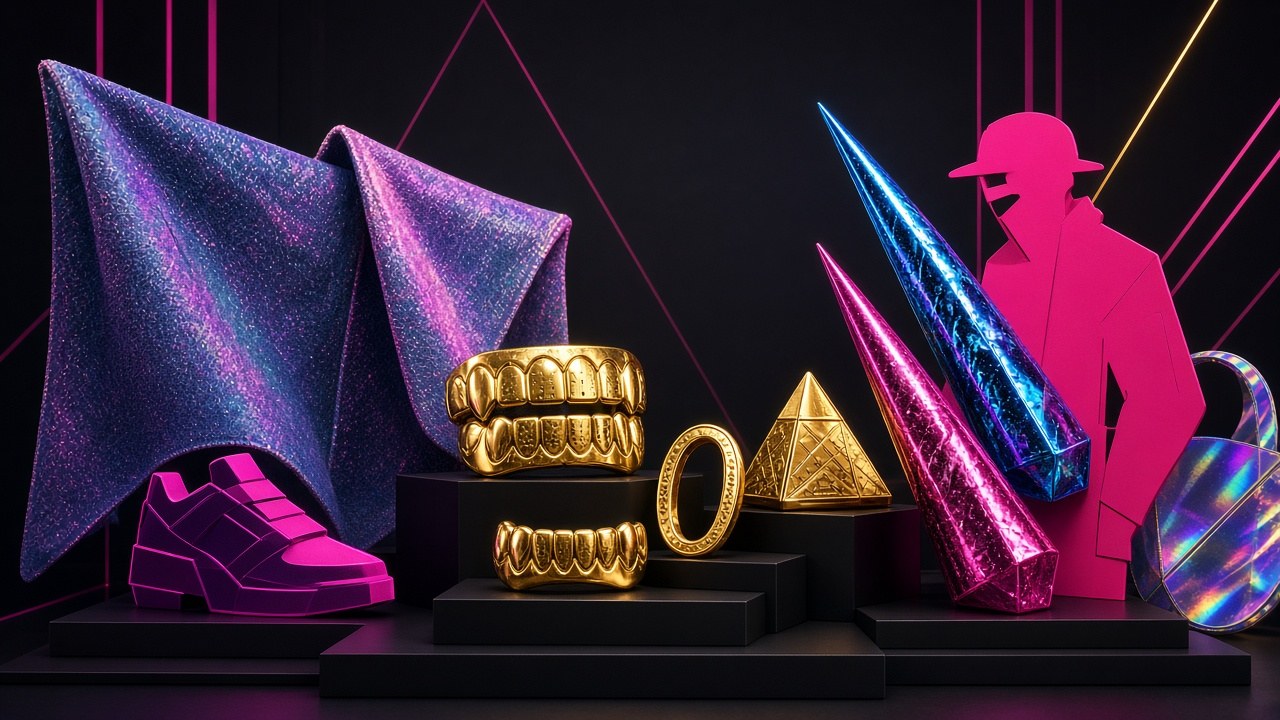
SEATTLE — The Museum of Pop Culture opened *Styled by the Streets: Black Women in Hip-Hop Fashion* to the public on 19 September 2026, installing a long-term gallery that treats wigs, grillz, nail sets and stage looks as cultural architecture rather than costume footnotes. More than 30 artifacts — streetwear, couture, hair, jewelry and photography — map how Black women shaped hip-hop’s visual language from the late 1990s and early 2000s into the present.
MOPOP’s 16 September press release frames the show as a “love letter” to Black women and girls in hip-hop who “set trends and shift the political tides with their stories,” in the words of CEO Michele Y. Smith. The exhibition runs as a permanent-collection flagship through 19 September 2027 at 325 5th Avenue N, giving the narrative multiyear institutional space that co-curator Sharon Kong-Perring told Seattle magazine museums have rarely granted.
Performers and the makers behind the looks
The gallery deliberately pairs famous stage names with the artisans who built their images. Icons including Mary J. Blige, Cardi B, Doja Cat, Lil’ Kim and Missy Elliott appear through photography and associated objects, while hair stylist Dionne Alexander, mother-daughter grillz makers Dr. Melissa “Melz” and Ariel Jones of Melz Grillz, nail artist Temeka Jackson and Ukeme Ekpoh of So Pressious are credited as authors of the looks themselves.
Kong-Perring, co-curating with Dr. Adeerya Johnson, told Seattle magazine the intent was to show how stylists, accessories crafters and designers “were the architects of hip-hop fashion,” and how those ideas moved from photo shoots into streetwear, couture and social media. Oral-history videos let contributors speak in their own words beside the objects.
Highlights listed by MOPOP include Lil’ Kim’s zipper wig by Dionne Alexander; *Threads of Her Becoming*, a 2026 nail set by Ukeme Ekpoh; designer grillz Melz Grillz made for the museum; custom nail sets inspired by Saweetie from Temeka Jackson; original prints of Mary J. Blige and Missy Elliott; and rare *Honey* magazine editions on loan from co-founder Joicelyn Dingle. Ariel Jones called the Melz Grillz inclusion “a dream come true,” arguing that grillz remain a bold form of self-expression that the industry has often sidelined.
Five rooms, one political fashion archive
MOPOP’s exhibition page describes five sections that track different expressions of fashion and influence — from how Black women set visual codes to beauty practices spanning hair and nails to jewelry and accessories, through legacy and oral history. The gallery’s palette leans into late-1990s and early-2000s denim, holographic finishes and Y2K colour, treating those surfaces as a visual archive rather than nostalgia dressing.
Justice for Black Girls is a partner voice in the press materials. Spokesperson Daisha Chanel said the show honours Black girls as “cultural architects” and models what becomes possible when museums and community organisations preserve authorship so young people see their beauty reflected in institutions that steward collective stories.
Why a Seattle pop-culture museum matters here
Hip-hop fashion shows exist; fewer give long-term gallery real estate to the women who made the looks as much as to the artists who wore them. Kong-Perring called the project “an important milestone for the museum and the field” precisely because it is a flagship, multiyear space. For visitors outside Seattle, the news is institutional: a major US pop museum is rewriting who counts as a fashion author in hip-hop’s public memory.
Tickets are timed through MOPOP’s plan-ahead pricing; the museum sits at Seattle Center. What to watch next is whether the oral histories and maker credits feed permanent-collection acquisitions — and whether other museums copy the structure of naming stylists and jewelers beside performers.
This article draws on MOPOP’s 16 September 2026 press release, the museum’s exhibition page, and Seattle magazine’s preview. Quotes follow those outlets.