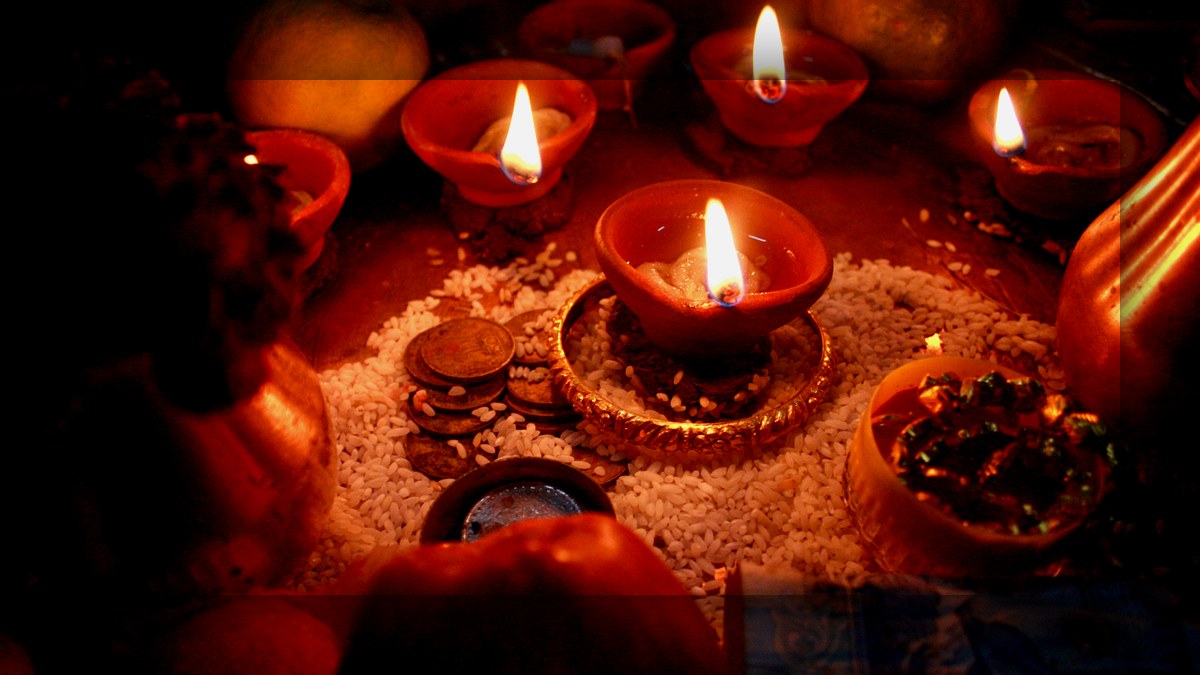
Jitiya Vrat 2026 (Jivitputrika) lands in a three-day arc that many North Indian and Nepali households are searching today: Nahay-Khay on Friday 2 October, the main Nirjala fast on Saturday 3 October, and Parana (paran) on Sunday 4 October after sunrise. Economic Times’ Delhi-framed Panchang notes put Ashtami from about 7:59am on 3 Oct to 5:51–5:52am on 4 Oct, with Delhi sunrise near 6:15am—so the break-fast window is the morning after the vrat day, not midnight. This TRENDS Culture guide locks dates, Pradosh puja hours, and regional caveats for “jitiya ka paran kab hai” without inventing muhurat.
Dates at a glance (Delhi-framed)
Nahay-Khay — Friday, 2 October 2026
Main Jitiya / Jivitputrika Vrat — Saturday, 3 October 2026 (Ashwin Krishna Paksha Ashtami)
Ashtami ends (Delhi) — Sunday, 4 October ~5:51–5:52am
Parana / paran — Sunday, 4 October after sunrise (Delhi sunrise ~6:15am; some city desks cite a later practical window around 7:28–7:29am—follow your local Panchang)
Pradosh Kaal (Delhi, 3 Oct) — approximately 6:05pm–8:29pm (main evening puja window cited with sunset ~6:05pm)
Times travel with longitude. Patna, Ranchi, Lucknow, Gorakhpur, and Nepali cities should use a local Panchang rather than copy Delhi clocks.
Why 3 October is the vrat day (not 4th)
Search spikes often ask whether Jitiya Vrat 2026 is 3 or 4 October because Ashtami spills into early Sunday. Published explainers treat 3 October as the observance day: the relevant Ashtami daylight and evening Pradosh fall on Saturday. 4 October is paran morning after sunrise—and after Arghya where families include it—not a second full vrat day for most lineages.
Nahay-Khay, Othgan, and the Nirjala arc
Nahay-Khay is the preparatory bath-and-sattvic meal day before the strict fast. Menus vary: Bihar, Jharkhand, and eastern Uttar Pradesh traditions may include madua/ragi preparations, dahi-chura, rice, curd, and seasonal vegetables—treat these as regional, not universal mandates.
Othgan / Sargi is the last food and water before the Nirjala stretch, usually the night before the main fast. Exact clocks differ by family custom relative to Ashtami start.
The main fast is traditionally Nirjala through the day and night of 3 October, closing with paran on 4 October. Pregnant devotees, the unwell, elderly people, and anyone with medical constraints should not treat prolonged fasting as mandatory—safety first.
Puja, Jimutavahana, and Katha
Evening worship of Raja Jimutavahana—whose sacrifice narrative underpins the mother’s prayer for children’s long life—sits in the Pradosh window for the Delhi calculation (~6:05–8:29pm on 3 Oct). Many homes also keep Chil (kite) and Siyarin (jackal) figures tied to regional Katha tellings. Standard household steps include Sankalp, flowers/akshat/dhup/deep, the Katha listening, and morning paran with local sunrise rules.
People also ask: can I break the fast at midnight after 3 October?
No—reputable festival desks are clear that Jitiya paran is the next morning after sunrise, not at midnight. With Ashtami ending around 5:51am in Delhi and sunrise near 6:15am, the practical window opens after sunrise (and after any prescribed Arghya). Some summaries cite ~7:28am as a cautious local open; always prefer your city’s Panchang over a single national clock.
Where the vrat is strongest
Jitiya / Jiutiya is especially associated with Bihar, Jharkhand, eastern Uttar Pradesh, and parts of Nepal. Customs for Othgan menus, Chil-Siyarin props, and paran first foods differ—do not export one district’s plate as a national rulebook.
Related Sunday Profile festival guides
Pair this paran-day spike with our live Karva Chauth 2026 date guide and Sharad Purnima 2026 date guide—October–November Festival guides India neighbours without twinning Chhath’s four-day Arghya hub.
Why TRENDS now (spike ~4 October)
“Jitiya Vrat 2026,” “jitiya ka paran kab hai,” and “Jivitputrika paran time” peak on paran morning as families confirm sunrise vs tithi-end. A sourced three-day timeline with Delhi-attributed muhurat and explicit local-Panchang caveats outranks thin calendar bullets that flip the vrat onto the 4th.
Sources and caveats
Main vrat 3 Oct, Nahay-Khay 2 Oct, paran 4 Oct after sunrise, Delhi Ashtami ~7:59am–5:51am, Pradosh ~6:05–8:29pm, Jimutavahana framing: Economic Times festival desk (late Sep 2026) plus city Panchang practice. Muhurat is location-specific; recheck Drik or your temple Panchang for Patna/Ranchi/Lucknow/Nepal. No invented quotes or medical claims—fast only if safe for you.